Table Of Content
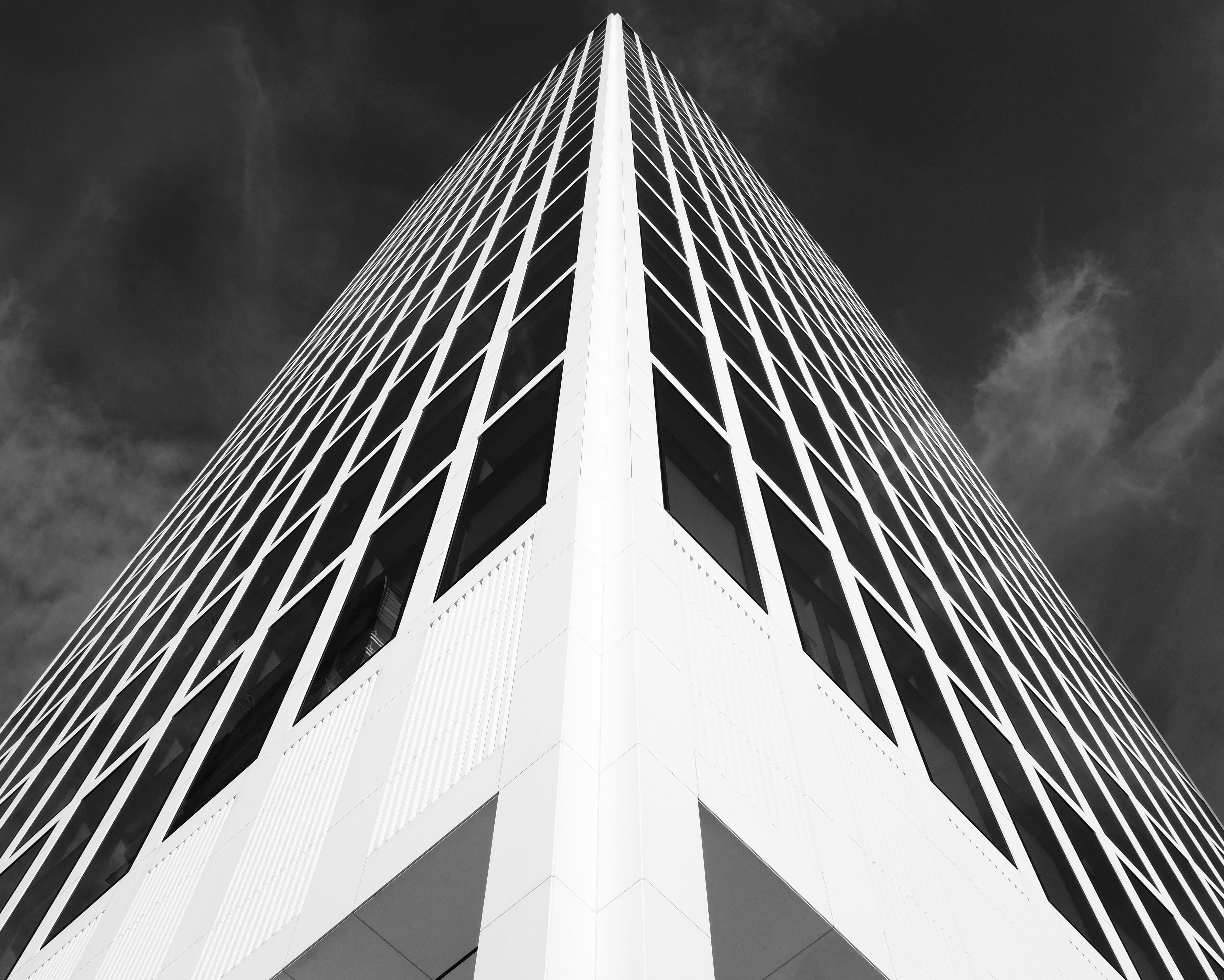
Therefore, if you are familiar with Gestalt principles, you’ll know that our brains create symmetry and balance in everything we encounter. If you draw a vertical line right down the middle, both halves are perfectly the same. To create reflectional symmetry like this, use simple shapes and go for a minimalist logo that doesn’t have many complicated parts to it.
Radial Symmetry
DesignBro is the online graphic design platform that connects high-quality, professional designers with clients worldwide. There is a reason why the most famous symmetrical logos often belong to car companies. This industry has to communicate stability and security when promoting their brands since cars are generally not made for fun, but rather for safe commutes. Therefore, it’s likely that customers will be more attracted to logos that evoke the feelings of protection and stability over the dynamic ones. The first three letters are noticeably wider than the last three letters, creating a sense of greater visual weight in the first half of the wordmark. Reflectional symmetry can be perfect symmetry, meaning both sides of the image are identical.
Samsung's Galaxy Note 10 May Have A 'Symmetrical' Design - Forbes
Samsung's Galaxy Note 10 May Have A 'Symmetrical' Design.
Posted: Sun, 28 Apr 2019 07:00:00 GMT [source]
Free Tools
Sign up for a free trial and build an interactive prototype with symmetry and asymmetry tips that are outlined in this article. Symmetry goes beyond individual buildings; it extends to urban design and city planning. Throughout history, architects and urban planners have employed axial symmetry to shape the layout of cities, capitals, boulevards, and public squares. By aligning prominent landmarks and thoroughfares symmetrically, they establish a sense of direction and visual continuity, contributing to a cohesive and harmonious urban environment. The Lotus Temple in New Delhi, India, exemplifies rotational symmetry with its lotus-like design featuring twenty-seven petals radiating outward from a central core. This dynamic arrangement maintains its original appearance, adding a sense of movement and rhythm to the temple’s form.
Design 101: Asymmetrical and Symmetrical Balance
Meet Smart Interface Design Patterns 🍣, a 10h video library by Vitaly Friedman. Let us know if you're a freelance designer (or not) so we can share the most relevant content for you. This article was written by Marc Schenker with input from Sam Lundquist. Think about how each step produces a reflection of the opposite foot, but because of movement, each footprint doesn’t line up with the other. Asymmetry, on the other hand, refers to anything that isn’t symmetrical. Asymmetry is a break in symmetry, which when used effectively, can make things more interesting.
This design, however, does a bit more by adding some interest with overflowing elements such as the logo and imagery. Note that even though these two design elements (and a few more throughout the site) add visual interest, they still balance each other out to maintain symmetry in the design. The logo on the left is darker and overlapping, but it is balanced by the more complex and brighter image to the right of the tagline.
Breadcrumb Tips to Make Your Site Easier to Navigate [+ Examples]
My eye wants the logo to be centered on the ampersand, or at least closer to it. The three menu items on the right side of the navigation bar have more letters than those on the left. My eye wants them to be the same and wants the center to be in between the “About” and “People” links. The design of Helen & Hard’s entire website is symmetrically balanced. The screenshot here is from the “About” page, but the other pages of the website are similarly balanced.
zaha hadid architects sculpts double-arched symmetrical bridge across jiangxi river in china - Designboom
zaha hadid architects sculpts double-arched symmetrical bridge across jiangxi river in china.
Posted: Wed, 16 Aug 2023 07:00:00 GMT [source]
Similar Articles
Symmetry can also be used to create a sense of stability in a building. When a building is symmetrical, it gives the impression that it is well-balanced and structurally sound. This is because symmetrical buildings have a central axis that runs through the middle of the structure.
Overall, symmetrical balance has played an important role in many cultures and has been used to represent concepts such as stability, formality, and beauty. However, it is important to remember that balance can also be achieved through asymmetry and that different cultures have different perceptions of what is considered beautiful or orderly. For example, trees exhibit a form of symmetry known as fractal symmetry, which is a repeating pattern that looks the same at different scales. The branches of a tree exhibit this type of symmetry, with each branch dividing into smaller and smaller branches that resemble the larger branch. Symmetrical balance has been used in art throughout history, from classical Greek and Roman architecture to the Taj Mahal in India. One of the most famous examples of symmetrical balance is Leonardo da Vinci’s Vitruvian Man, which depicts a man with his arms and legs outstretched in a perfect circle and square.
Glide Reflectional Symmetry
Looking at the overall composition, I see several discrete shapes. Everything on one side of the axis is mirrored on the other side. Natural forms that grow or move across earth’s surface develop reflection symmetry. Reflection symmetry (or bilateral symmetry) occurs when everything is mirrored around a central axis. It’s probably the first thing you think of when you hear the word “symmetry.” The axis can be in any direction or orientation, although it’s often vertical or horizontal.
The symmetrical design extends to the intricate minarets, domes, and decorative elements on the facade, evoking a profound sense of equilibrium. The simplicity of symmetrical forms is predicted by the Law of Prägnanz. Gestalt principles such as focal points and similarity contribute to visual weight.
The best example for that would be the perfect shape of a snowflake. Thus, symmetrical balance is usually found in the traditional forms of art, its other name is “the formal balance”. It gives us the feeling of stability of form and structure, but also of peace and harmony. However, symmetrical balance is often considered to be a bit dull and boring by some critics.
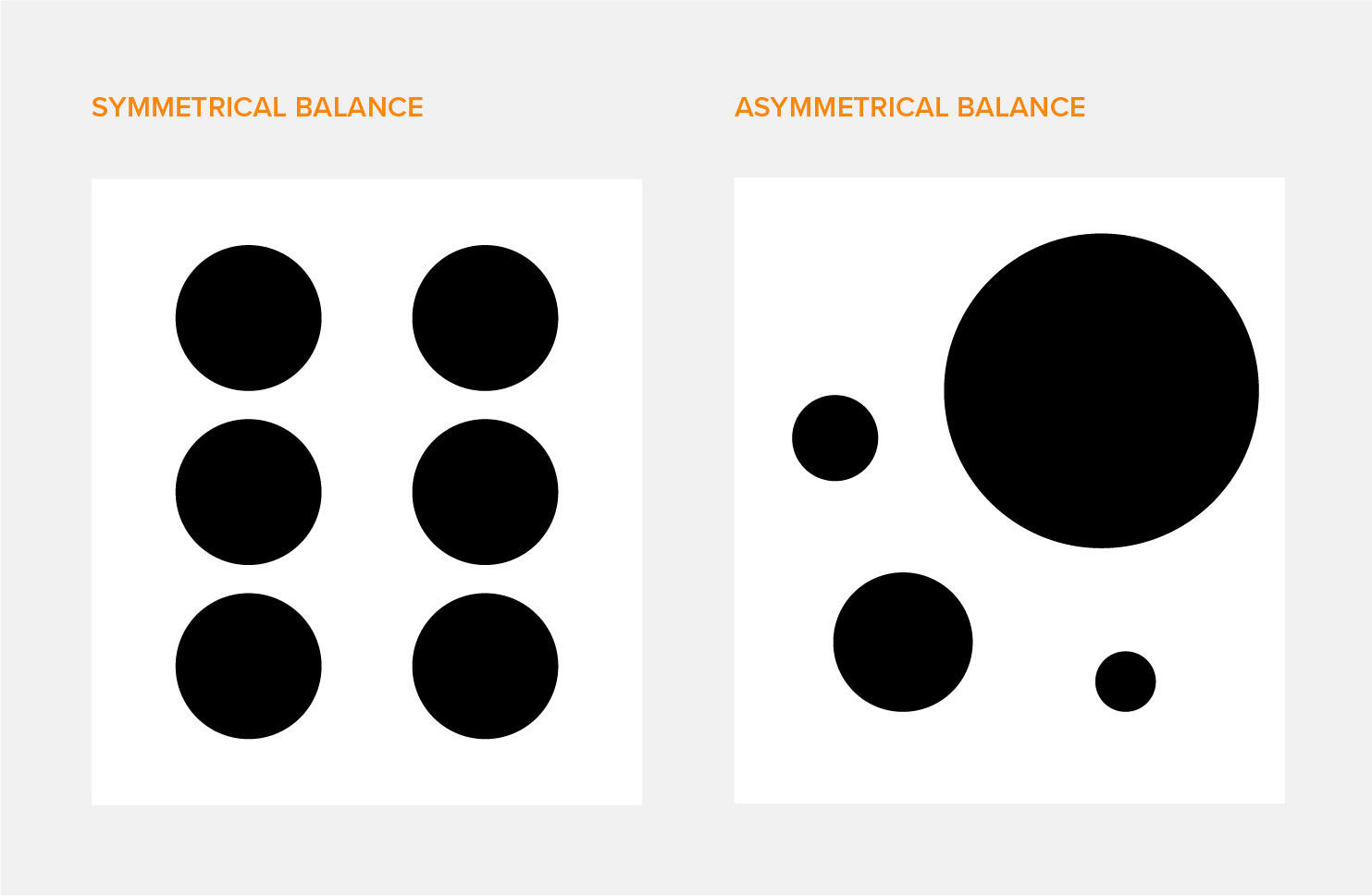
The weight is more apparent when an element is compared to another and one seems to be heavier than the other. Before we go into detail with the principle of balance, we have to understand the concept of visual weight first. Now, let’s remove 3 circles from the right side of the axis so that there is only one circle remaining. Since both weight and arrangement are not identical, the layout is said to be asymmetric.
We are naturally attracted to well-balanced pieces of art, architecture and naturally occurring sights and events, and throughout our history, we’ve been trying to emulate the principles of balance. Symmetry engenders feelings of stability and predictability, fostering a sense of calmness and comfort. In public spaces like museums, government buildings, or places of worship, symmetrical designs evoke an air of grandeur and authority, reinforcing the structure’s significance. Studies reveal that exposure to symmetrical environments positively impacts mood and well-being. Symmetrical spaces can contribute to reduced stress levels and enhanced cognitive clarity.
This creates just enough balance and stability, while at the same time preserving uniqueness and creativity. Symmetrical balance is a design principle that involves dividing a composition into equal parts on either side of a central axis. This results in a mirror-like effect where one side of the composition is a reflection of the other. The goal is to create a sense of stability, harmony, and order in the design.
This axis helps to distribute weight evenly, making the building more stable. Symmetrical balance is commonly used in art, architecture, and design, and it can be found in many different forms. From the intricate patterns of Islamic architecture to the simple, elegant designs of Scandinavian furniture, symmetrical balance is a versatile principle that can be applied in many different ways. Whenever we distribute compositional elements evenly around a central point or axis, we’ll make a symmetrical design. A good example of symmetry in nature is the butterfly; its right and left sides are highly similar to each other (although not identical).
It’s important to keep in mind that symmetry can make a design feel static, so it’s important to balance it with other design principles such as contrast and texture. Achieving symmetrical balance in a design requires careful attention to detail. One way to measure balance is to use a grid system to divide the picture plane into equal sections and ensure that each section contains an equal amount of visual weight. Another method is to use a mirror to reflect the design and check for symmetry. Adjustments can be made by adding or removing elements, adjusting their size or position, or changing their color or texture.


No comments:
Post a Comment